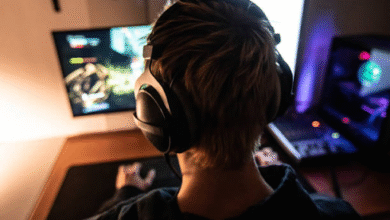
How Online Gaming Became a Modern Digital Gathering Ritual
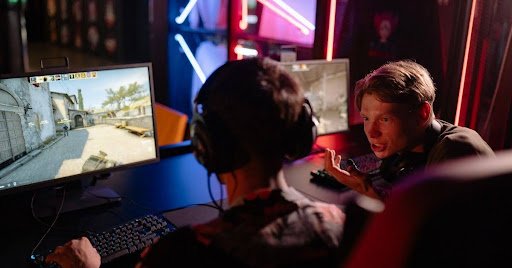
Have you ever noticed how logging into an online game can feel a lot like showing up to a familiar hangout? For many people, that routine has become part of daily life, not just as entertainment, but as a simple way to meet up, talk, and share time with others.
Online gaming now fills a role that used to belong mostly to neighborhood courts, cafés, living rooms, and weekend meetups. The screen may be different, but the social pattern feels surprisingly old: people gather at a set time, recognize familiar faces, follow shared rules, and leave with stories to tell.
That is why online gaming makes sense as a modern digital gathering ritual. It mixes technology with very human habits like showing up, checking in, cooperating, competing, and building group identity over time.
Why Ritual Still Matters Online
Even in digital spaces, people still look for rhythm, routine, and connection.
A ritual does not have to be formal or serious. It can be as simple as joining the same voice chat every evening, greeting the same group, and playing a few rounds before bed. That repeated pattern creates comfort because people know what to expect and who will be there.
Online games support that rhythm naturally. They give people a place, a schedule, and a shared activity all at once. In many communities, the routine starts with a message, an invite, or a quick check like gol88 login, then shifts into conversation, teamwork, and casual social time.
That repetition matters because human connection often grows through regular contact, not dramatic moments. A familiar digital meetup can create the same feeling of continuity that older social rituals once offered in person.
How Shared Rules Create Belonging
Games turn social interaction into something active and structured.
Common Goals Build Group Identity
When people play together, they usually work within a clear set of rules. That structure helps conversation flow more easily because everyone understands the goal. One group may focus on strategy, another on fast reactions, and another on pure fun, but all of them build a small culture around how they play.
Inside that culture, people develop habits, jokes, roles, and expectations. One person always organizes the match, another keeps the mood light, and someone else stays calm under pressure. These repeated roles help people feel recognized, which is a big part of belonging.
Competition Can Still Be Social
Competition also plays a social role. Friendly rivalry gives people a reason to return, improve, and talk about what happened last time. Winning matters, but the larger value often comes from the interaction around it: the teasing, the planning, and the shared memory of a close result.
That is one reason gaming feels less isolated than some outsiders assume. The activity may happen through devices, but the social texture is built through people responding to each other in real time.
Why Voice Chat Changed Everything
Talking while playing made online gathering feel far more personal.
Text chat helped early online communities grow, but voice added warmth and spontaneity. Tone, laughter, quick reactions, and natural pauses make people feel more present with each other. A match stops being just a match when it comes with live conversation before, during, and after play.
Voice communication also makes room for low-pressure socializing. People often stay connected even between rounds, discussing school, work, family, or daily annoyances. In that sense, the game becomes both a focus and a backdrop, much like a shared table activity in an offline setting.
This shift helped online gaming move from pastime to ritual. It became less about staring at a screen alone and more about showing up for familiar voices on a regular basis.
How Digital Spaces Replace Distance
For many groups, online play solves a basic problem: people live far apart.
Geography Matters Less
Friends and relatives often spread across cities or countries, making in-person meetings harder to maintain. Online games offer a practical answer because they combine communication and activity in one place. Instead of trying to plan a complicated visit, people can meet for an hour and still feel connected.
That convenience has changed social habits. A weekly game session can now function like a standing dinner, club meeting, or local pickup match once did. Some people even treat a familiar site, such as https://www.togel123.com/, as part of the broader routine of checking in on digital entertainment spaces before meeting friends online.
Low Pressure Helps People Show Up
Another reason these gatherings last is that they are easy to join. No travel, no formal dress, no complex planning. That lower barrier makes regular participation more likely, especially for adults balancing work, study, and family schedules.
Consistency is what turns a simple habit into a ritual. The easier it is to show up, the more often people actually do.
What Online Gaming Says About Modern Social Life
These habits reveal how social connection is adapting, not disappearing.
People still want shared time, repeated routines, and group identity. Online gaming meets those needs in a format that fits modern schedules and digital communication habits. It blends play with conversation in a way that feels natural for many age groups, from teenagers building friendships to adults maintaining old ones.
It also shows that community does not depend only on physical location. What matters more is regular interaction, shared attention, and the feeling that your absence would be noticed. That is a strong marker of real social value.
Online gaming became a modern digital gathering ritual because it gives people a dependable place to meet, act together, and stay connected. The tools are new, but the human pattern is familiar, and that is exactly why it works.